TRAVEL 2040 was made over about a week, mostly in spare time, deliberately unhurried, and much of it spent waiting for daily limits to reset: a book, thirteen posters, fourteen short films and this site. The AI did a lot of the making. The judgement stayed human.
It began as research into where travel is heading. Like most things I work on, I wanted to share it, so it became a book of travel personas. Then it seemed more interesting to bring them to life.
Where travel is heading, the technology behind it, and what’s already real.
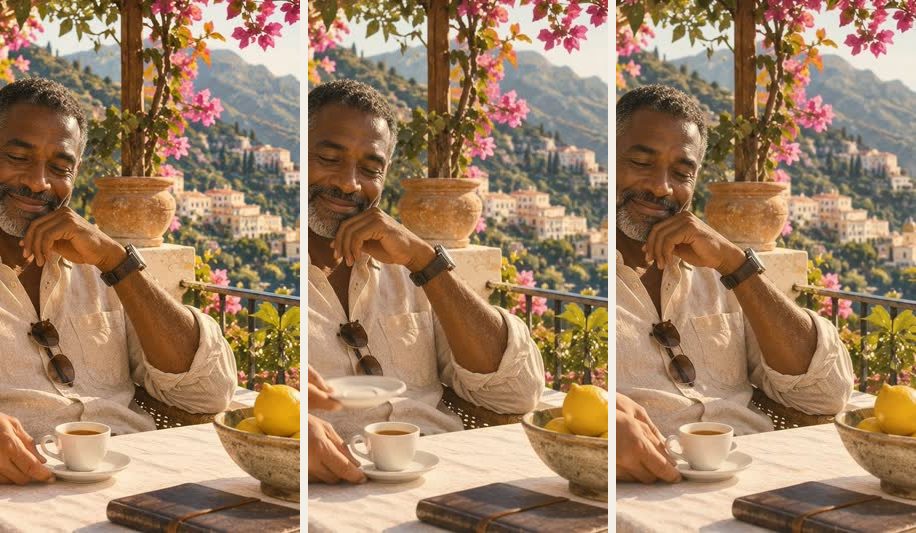
Thirteen travellers and the journeys of 2040, as a coffee-table book.
Gemini joined to turn the book’s stills into moving scenes.
A LinkedIn series and a set of YouTube short films, one story at a time.
A home for it all, built on the same films, posters and stories.
Each film was rendered once in landscape. Python then cropped and re-edited it for every other place it needed to go. Some scenes lost a little detail at the edges; that was a trade worth making.
The future of travel, the technology behind each story, and what’s real today.
Photographs, plans and objects for thirteen journeys, from detailed descriptions.
Layout, type and print files for KDP and Lulu, built by scripts.
A Python script sent each approved still to Gemini to bring it to life.
Clips, captions and music assembled by scripts, run locally.
This site, the posters and the print files.
Nothing went out without a final yes.
Each tool did the job it was best at. One of them held the whole thing together.
The conductor. It researched the stories, wrote the Python that built the book and assembled the films, kept the brand consistent and built this site, working directly with the files on a Mac.
It kept the whole project in view, so a change in one place carried through to the book, the films, the posters and the site.
The photographer. It produced the most natural people and places, including warm family scenes, which mattered for a book about who we travel with.
Over 200 images were generated and 92 made it into the book. Every one was briefed in detail and checked against the story before it was used.
The camera crew. Through its API, a script could send each approved still and get back a few seconds of motion that kept the scene as it was.
Pay-per-use meant paying only for the clips we asked for, and re-running only the ones that failed review.
Almost everything ran inside subscriptions that were already in place. The only extra spend was the video generation.
Claude, within an existing subscription.
ChatGPT, within an existing subscription.
Gemini API, including the clips that didn’t make the cut, and the ones we chose not to re-render.
The tools were fast. The gates are what made it good. The research, every image, every page and every film passed a human review before it moved on, and most went round more than once.
The research was checked and challenged: what exists today, what’s plausible by 2040, and what isn’t.
Each image was checked against the text: the right people, the right place, the right moment.
Colour, type and tone held to one style across the book, the films and the site.
Every image is labelled AI-generated: a vision of the future, not a forecast and not a record.
Nothing was printed, posted or published without a final yes.
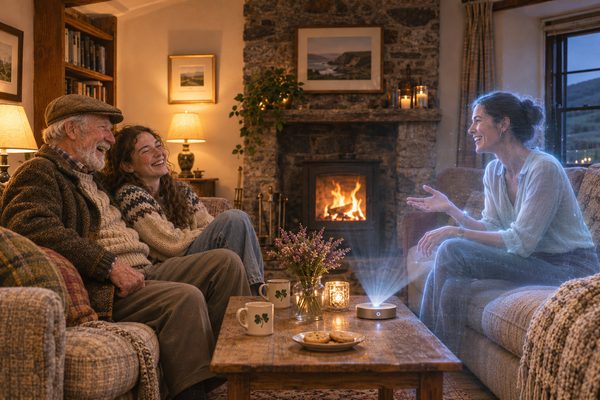
ChatGPT made warm, natural family scenes. Gemini won’t make videos from images with children in them, so those scenes stay as stills, or the dog and the grown-ups carry the moment.
Both tools sometimes swapped people for entirely different people, mid-scene, between versions.
Hands that rotated in ways hands don’t, and prompts taken a little too literally. Every film was watched frame by frame before it was used.
Not every flaw was fixed. Where another render would have cost more in credits than it added to the story, we accepted the edit and moved on. That was a human call too.
“Input blocked: Sorry, we can’t create videos from inputs containing photorealistic children.”
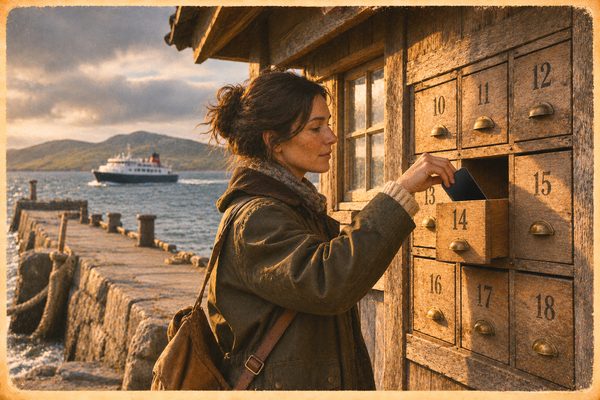
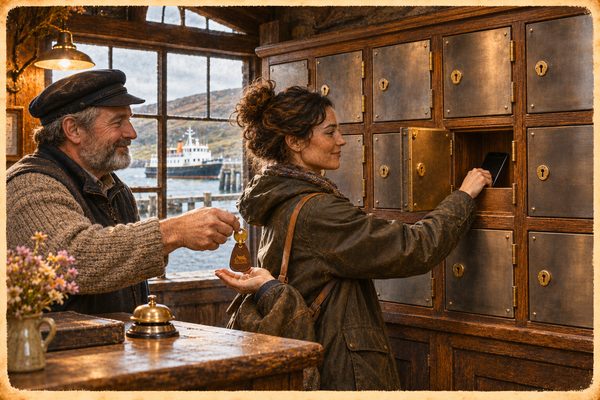
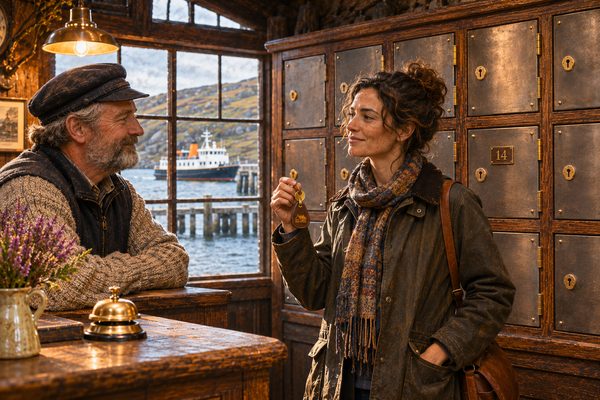
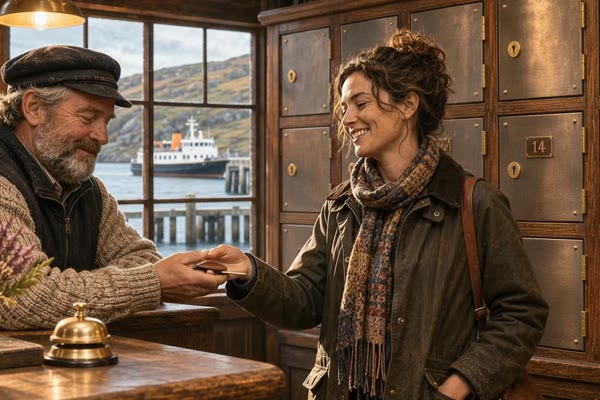
Hannah leaves her phone in locker 14 at the ferry office. The key boxes took three goes to look like something an island harbour might really have, and one version gave her an extra hand. In the short film, the hand passing the key isn’t quite right. Another render might have fixed it, or broken something else. It stayed.
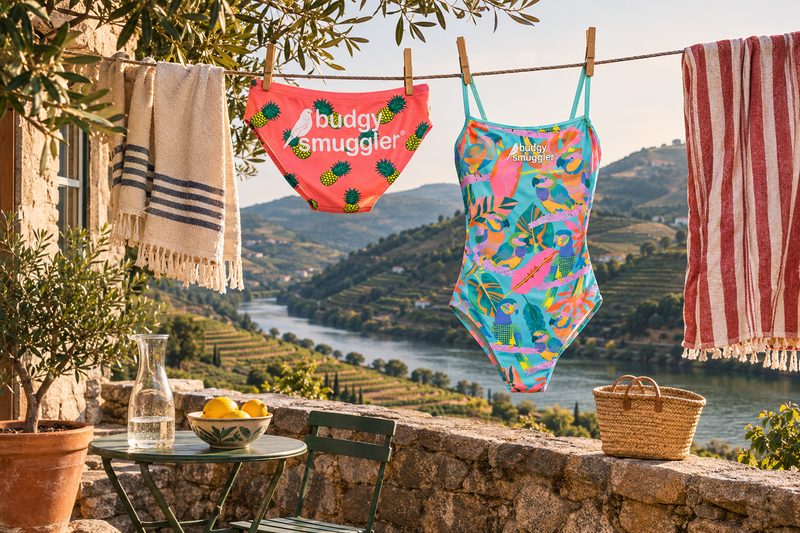
I have a slight Budgy Smuggler obsession, and I’m often seen in them. The plan was for every water scene in the book to feature a pair, as a running joke. After rendering them, I realised it was too much, and most of them went. The dare, a lovely moment of jumping into the river, stayed in the book, but had to stay a still in the film: Gemini wouldn’t animate it.
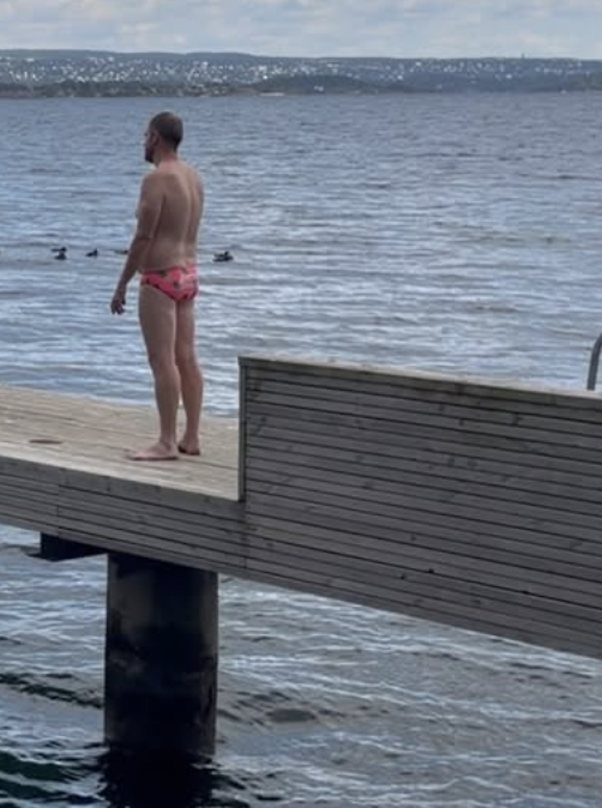
For the Dome, the night swimmer was a nod to a famous fragrance advert, set in Germany rather than on the Med. I iterated far too many times. He stayed in the book as a bit of cheeky eye candy, and never made it into a film.
Most of the week was spent waiting: for daily limits to reset, for clips to render, for uploads to go through. The actual making was the quick part. Planning around the ceilings became part of the schedule.
Our plan allowed twenty a day, so the films were made in daily batches, best scenes first.
Image generation was rationed by day too, which made every brief count.
We never hit a usage limit, but long sessions were condensed to fit its working memory, and small details were sometimes forgotten. The files, not the chat, stayed the source of truth.
Even publishing had a ceiling: the films went up over more than one day.
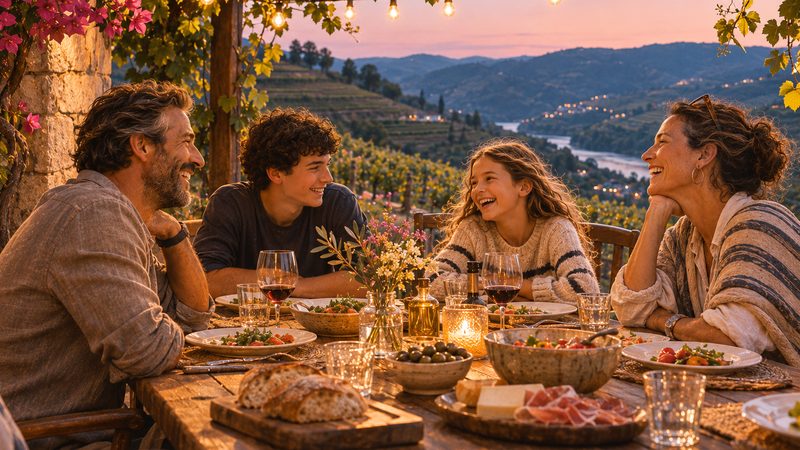
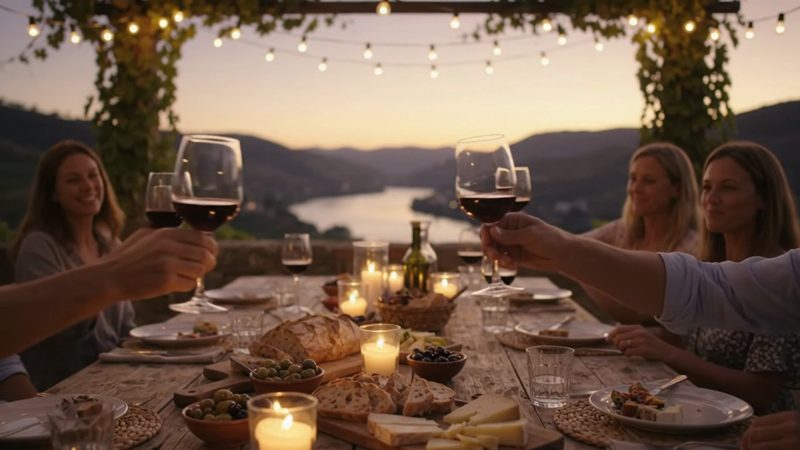
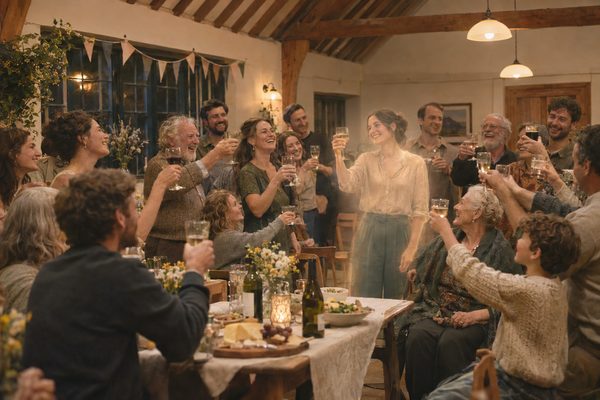
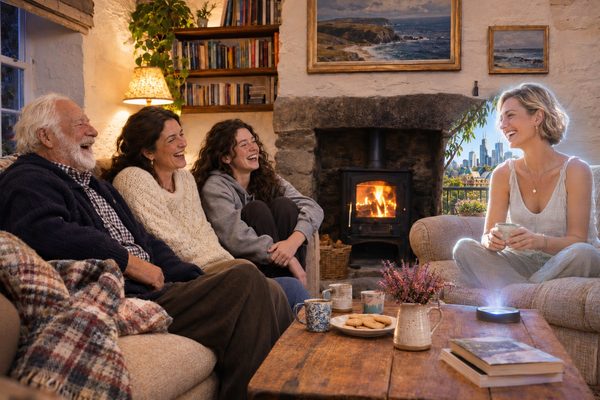
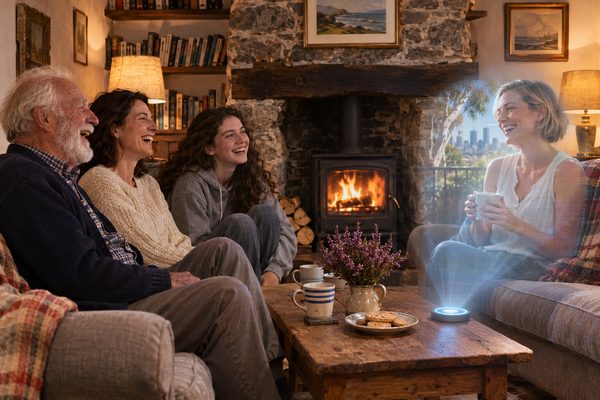
Asked to bring the family dinner to life, the model kept the table, the lights and the valley, and invented a different family. It didn’t make the cut.


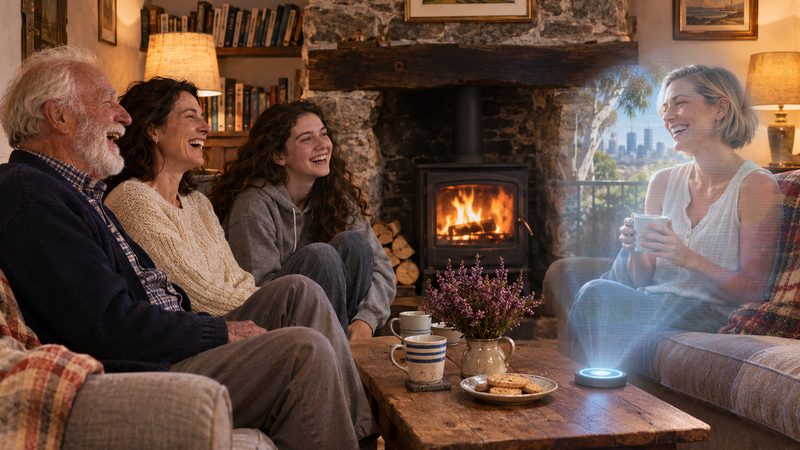
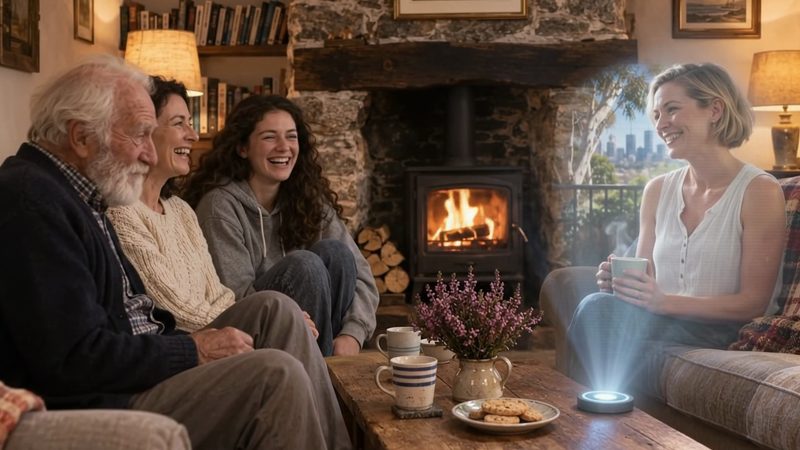
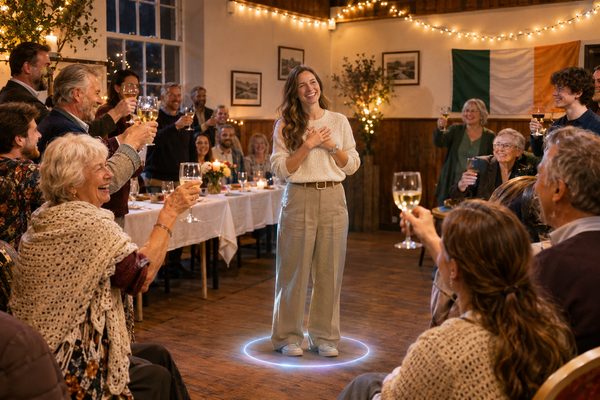
Other scenes worked first time. Here, a still from the book became a moving moment, with Aoife joining from Melbourne.


A few more that didn’t make it.


Story 06 needed one quiet moment: Aoife joining the family from Melbourne. Getting there took a village party, a lookalike cousin and a lot of patience.


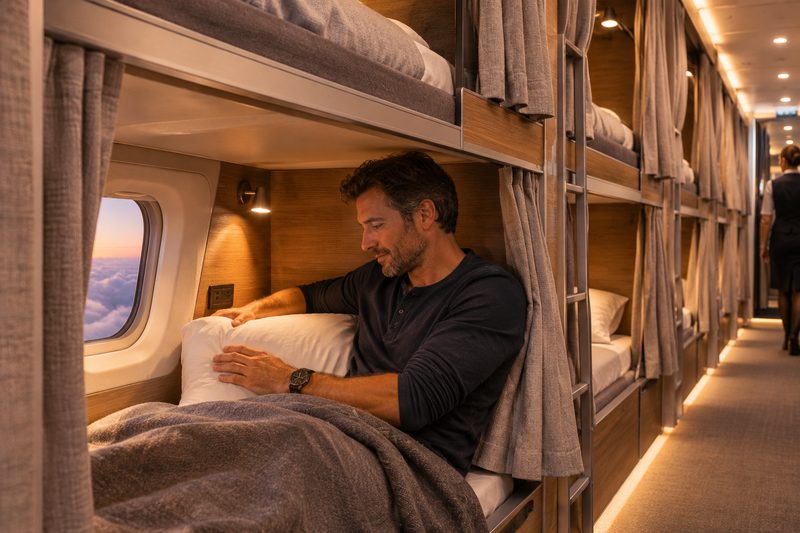
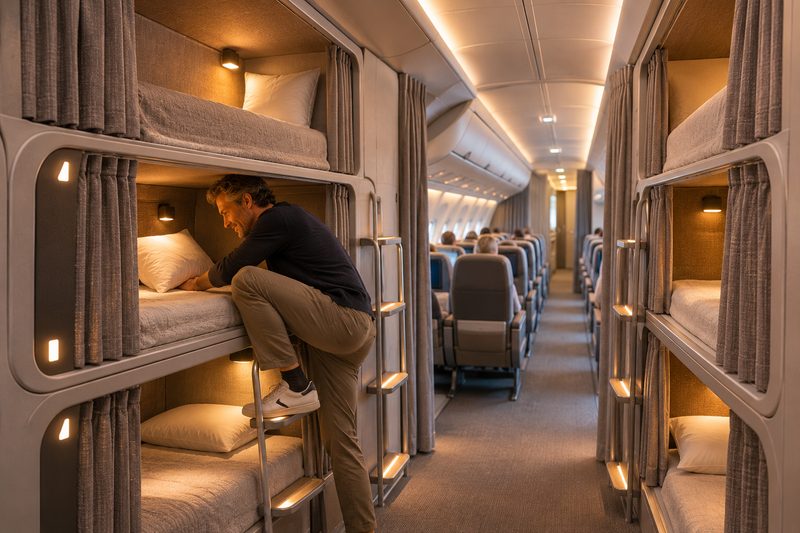
Story 07 needed a believable lie-flat bunk in economy, and a poster plane that looked like a real aircraft. Both took more rounds than most.


“I’m happy with what was created. It really creates a feeling for each of the stories. I hope this shows how a system is needed for repeatable and efficient operations. With the right foundations, you can do a lot.”
James Lever